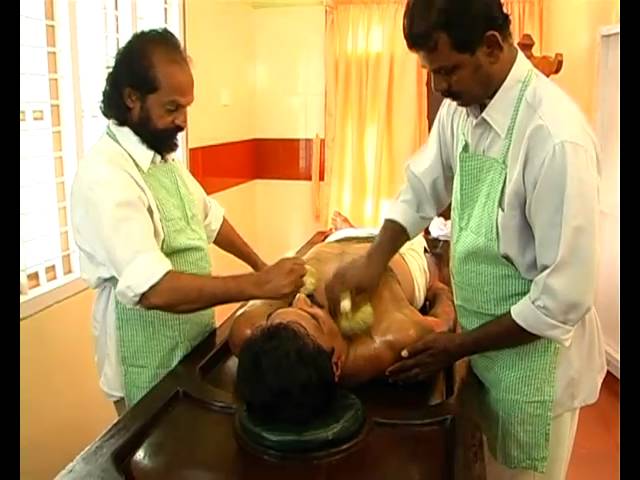




Dr. Jaya's Sreepadam Ayurveda Panchakarma Hospital
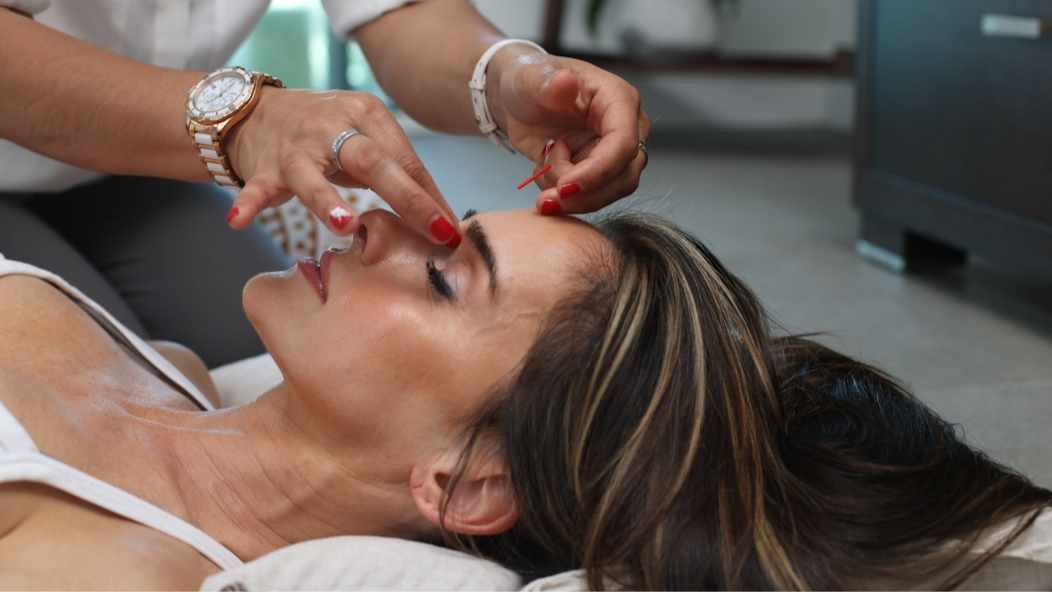
Dr. Jaya's Sreepadam Ayurveda Panchakarma Hospital is an authentic Ayurvedic medical center located in Paakudi Lane, Ambalapposha, founded by Dr. T. Jayasree B.A.M.S in October 2003. The hospital was inaugurated on October 19th by Shri Puthumana Narayanan Namboodiri and follows proven rejuvenation procedures, fitness programs, and authentic rejuvenation and curative programs with precise hygiene standards in a fascinating ambiance.
The facility is rated as the best in class for Ayurvedic treatments and formulations, with top accreditation from Dr. T. Jayasree B.A.M.S, who serves as the prominent doctor alongside a group of other efficient and dynamic supporting doctors serving the inmates of this center. In 2010, the hospital was transferred to its own building under the co-operation and control of Sri. G Sudhakaran, and it was inaugurated by the Honorable Minister for co-operation.
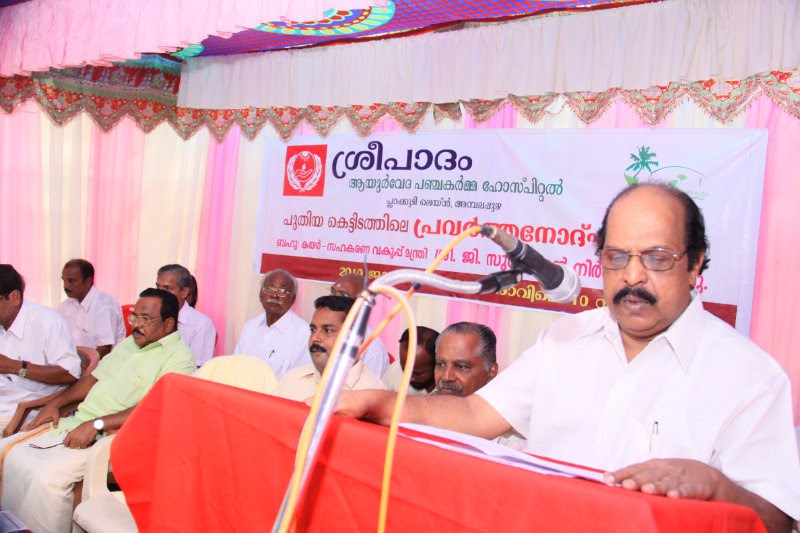
Honourable minister of Kerala Sree G.Sudhakaran addressing the ceremony
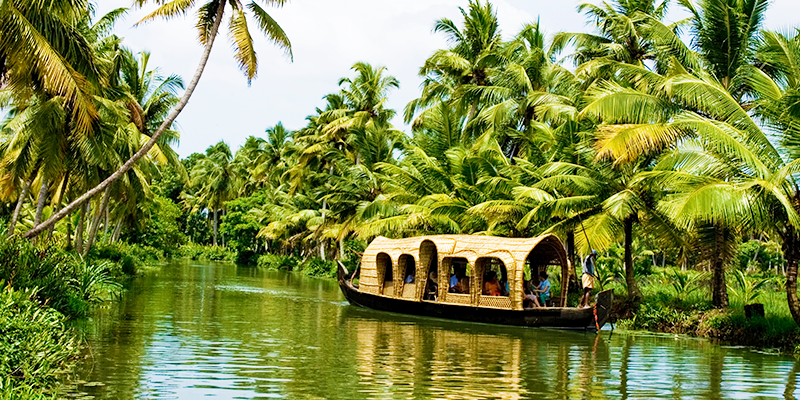
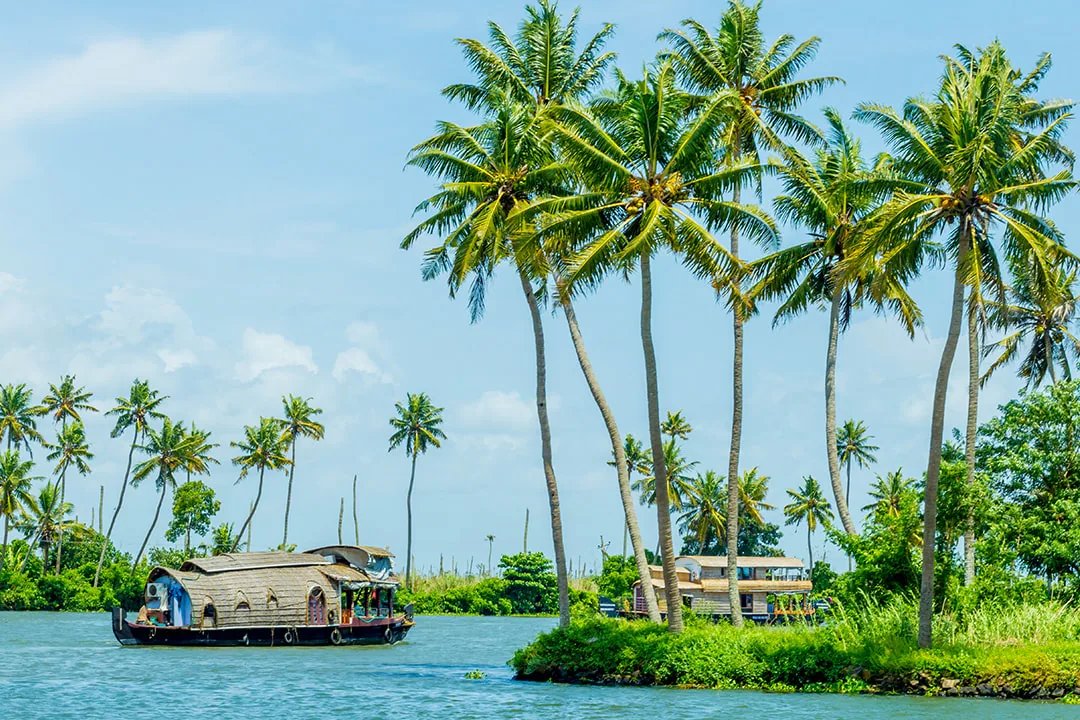
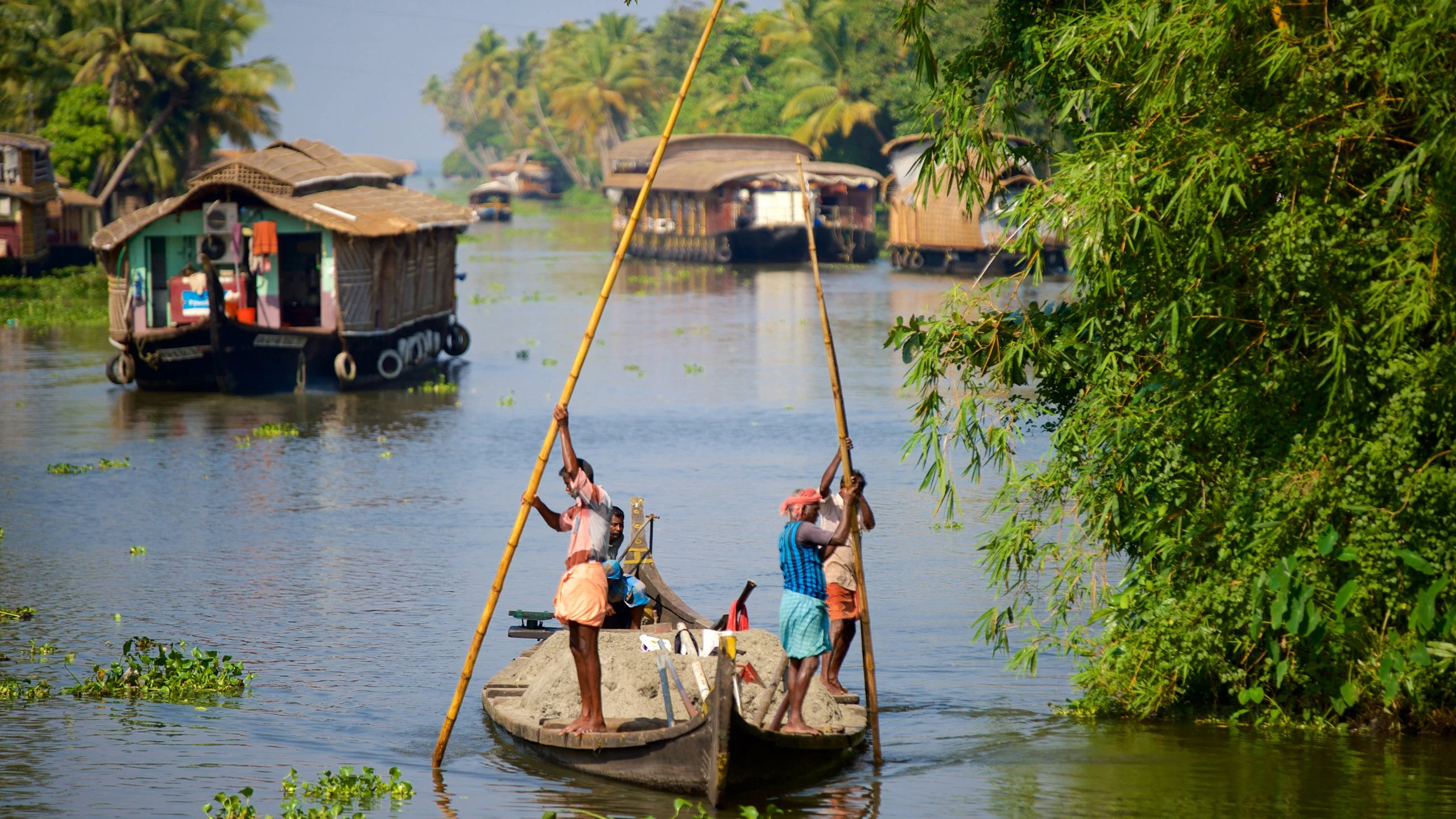

The Venice of the East
Alappuzha (Alleppey): The Venice of the East — Often referred to as the "Venice of the East," Alappuzha is a city in Kerala renowned for its serene backwaters, intricate network of canals, and golden beaches. It offers a perfect blend of natural beauty and cultural heritage, making it a must-visit destination.
The Backwaters: The Heart of Alappuzha — The backwaters are the lifeline of Alappuzha and the main reason tourists flock to the region. This interconnected system of canals, rivers, and lakes offers a unique and peaceful travel experience.
Houseboat Cruises: A houseboat cruise is the quintessential Alappuzha experience. Traditional kettuvallam boats are converted into comfortable floating homes with bedrooms, kitchens, and living areas. You can book an overnight stay or a day trip. The overnight cruise lets you anchor in the tranquil backwaters for the night, with fresh meals prepared on board.
Shikara Rides: For a more intimate and budget‑friendly experience, take a shikara boat ride. These smaller boats navigate the narrowest canals, offering close‑up views of village life, lush paddy fields, and coconut groves.
Canoe/Kayaking: Adventurous travelers can opt for non‑motorized canoeing or kayaking—quiet, eco‑friendly ways to explore the backwaters—perfect for nature lovers and birdwatchers.
Popular Tourist Attractions
Alappuzha Beach & Lighthouse: Famous for its historic 150‑year‑old pier and the iconic lighthouse that offers panoramic coastal views.
Marari Beach: A serene, less‑crowded beach ideal for relaxation and for experiencing local fishing village culture.
Krishnapuram Palace: An 18th‑century palace showcasing traditional Kerala architecture; now a museum known for the Gajendra Moksham mural.
Temples and Churches: Notable sites include the Ambalappuzha Sree Krishna Temple—famous for its Pal Payasam—and St. Andrew's Basilica at Arthunkal.
Best Time to Visit: November to February offers cool, pleasant weather (about 17–32 °C), ideal for cruises and outdoor activities. The monsoon (June–September) brings lush greenery and heavy rainfall—beautiful for rain lovers, though some activities may be limited.
Getting There: By Air — Cochin International Airport (COK), ~75 km away. By Rail — Alappuzha has its own railway station with connections across India. By Road — Well connected to major Kerala cities and neighboring states.
Tips for Your Trip: Book accommodations and houseboats early in peak season; pack light with sunscreen and insect repellent; try authentic Kerala cuisine (especially fresh seafood and houseboat meals); consider purchasing locally made coir products—an Alappuzha specialty.
A Legacy of Healing from Alappuzha — The region’s Ayurvedic tradition is deep and historic. The 17th‑century physician‑botanist Itti Achuthan, born in Kadakkarappally near Cherthala, was a hereditary vaidyar with profound knowledge of medicinal plants preserved in palm‑leaf manuscripts.
His expertise guided Dutch Governor Hendrik van Rheede in compiling Hortus Malabaricus (1678–1693)—a 12‑volume Latin treatise documenting over 740 plant species from the Malabar coast, with medicinal properties and local uses. Itti Achuthan’s Malayalam dictations appear in the work, making it a landmark in tropical botany and the first printed text to include Malayalam script.
This collaboration highlights the depth of indigenous Ayurvedic knowledge in Alappuzha and its global significance.
Ayurveda and Tourism in Present‑day Alappuzha — Today, Ayurveda and wellness tourism form a vital part of Alappuzha’s appeal. The district blends its natural beauty with traditional healing practices to offer rejuvenation to visitors.
Dr. Jaya's Sreepadam Ayurveda Panchakarma Hospital, Ambalapuzha has established proven authenticity in genuine Ayurvedic treatment and wellness over time.